

 Breakfast
 Lunch
Lunch
 Dinner
 Snacks
 Meals
Meals
 Drinks
 Vegan
Vegan


Ingredients 0/12
What Makes This Recipe So Great
Cooking Tips You Should Know
- Don’t overcook the pasta; aim for al dente to keep a nice texture.
- Stir the sauce gently to combine the flavors without breaking down the tomatoes too much.
Step 1
Lightly heat some olive oil in a large skillet over medium heat. Toss in the guanciale and cook it, stirring often, until it’s nicely browned—this should take about 7 minutes. Once done, scoop the guanciale out onto a plate, leaving just a little bit of the fat in the pan and getting rid of the rest.
Step 2
Add the chopped onion to the skillet and cook it gently until it softens, which usually takes around 5 minutes. Then stir in the garlic and a pinch of red pepper flakes, cooking everything together for about a minute until fragrant. Put the guanciale back into the skillet and let it cook with the onions and garlic for another minute or two.
Step 3
Pour in the white wine and let it simmer until it reduces just a bit, about 3 minutes. Now add the canned tomatoes, breaking up any whole ones with your spoon. To make sure you get all the flavor, rinse out the tomato can with a third of a cup of water and pour that into the skillet along with the remaining two-thirds of a cup of water and the tomato paste. Bring the sauce to a boil, then lower the heat, cover, and let it simmer gently for about an hour, stirring now and then.
Step 4
While the sauce is cooking, bring a large pot of salted water to a boil and cook your spaghetti until it’s al dente—usually 10 to 12 minutes. Before draining, scoop out about half a cup of the pasta water and stir it into your sauce; this helps everything come together nicely. Drain the pasta and toss it right into the sauce, mixing well so every strand gets coated.
Step 5
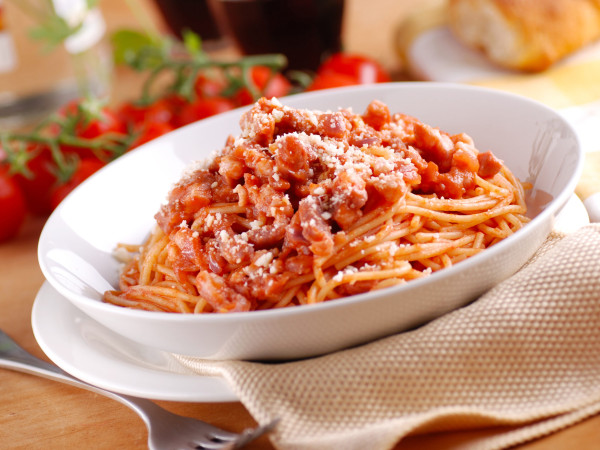
Serve the pasta with plenty of Pecorino Romano grated on top, and if you like, add a few fresh basil leaves for a bright, fresh finish. Enjoy!
Serving Ideas To Try
Storage Tips